

Quanterion IT Solutions
Cart is emptyRetrieve a Cart
Quanterion Solutions IncorporatedSaturday, May 18, 2013 
   Quanterion Home   Products   Solutions   Training   Publications   Downloads   About Quanterion
Quick Links
 Software Tools
   • Quanterion Automated
     Reliability Toolkit (QuART)

   • REPERTOIRE
   • 217Plus
   • Reliability Self-Assessment
     Tool (RASTER)

 Knowledge Sources
   • Cyber Security and
     Information Systems Information
     Analysis Center (CSIAC)

   • Reliability Information
     Analysis Center (RIAC)

   • Reliability Toolkits
   • Reliability Ques
   • Training
 FREE Resources
   • Quanterion RMQ Brochure [pdf]
   • QuART Demo
   • Mil Stds/Hdbks
   • MIL-HDBK-217
   • FAA-HDBK-006A
   • Lunchtime Learning
   • Recommended Texts
   • RMQ Links
   • Reliability Self-assessment
   • "QuICKER" Online Training
 Quanterion
   • How We Can Help
   • Contract Vehicles
   • Experience
   • Doing Business
   • How To Find Us
   • Contact


 811 Court Street
 Utica NY 13502-4096
 Phone: 315.732.0097
 Toll free: 877.808.0097
 FAX: 315.732.3261
 qinfo@quanterion.com
   Materials and Process Engineering
 

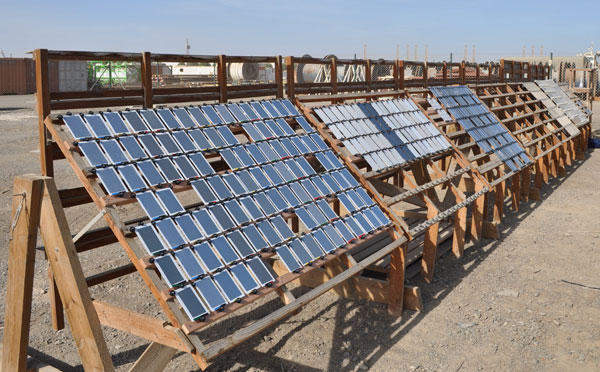
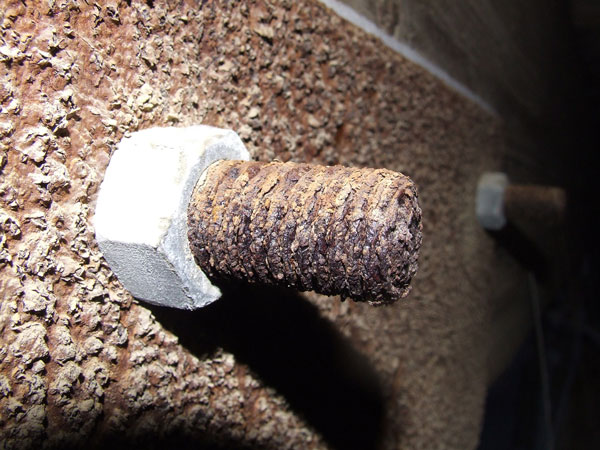
Materials and Processes Engineering involves the selection of the optimum materials and development of analytical methodologies to be used to ensure robust designs, whether they are for military systems or commercial products. The activities also address the nature of failure modes and mechanisms in existing designs and identify means to improve designs, and to mitigate failures with proper consideration of environmental severity, condition-based monitoring, and effective maintenance strategies. Analysis activities involve the modeling of failure mechanisms such as corrosion, relating material degradation as a function of operational and environmental stress.

  • Key Staff Members:
    • David Rose, who prior to employment at Quanterion was the Director of the DoD Advanced Materials, Manufacturing, and Testing Information Analysis Center (AMMTIAC) and its predecessor AMPTIAC who is currently developing a methodology to predict corrosion rates based upon environmental severity, including the effects of such factors as climate and air pollution.
  • Example Projects:
    • New Approach to Corrosion Design Study: In this effort, Quanterion conducted and assessment to determine whether any analytical methodologies developed and employed by the reliability engineering community could be employed to develop a new paradigm in corrosion prediction.  The assessment started by reviewing existing prediction methodologies and by evaluating potential ways to improve predictions by considering atmospheric severity.  The effort culminated at the annual Reliability and Maintainability Symposium (RAMS), where a paper was presented and a panel discussion was sponsored and supported to discuss approaches for follow-on efforts.
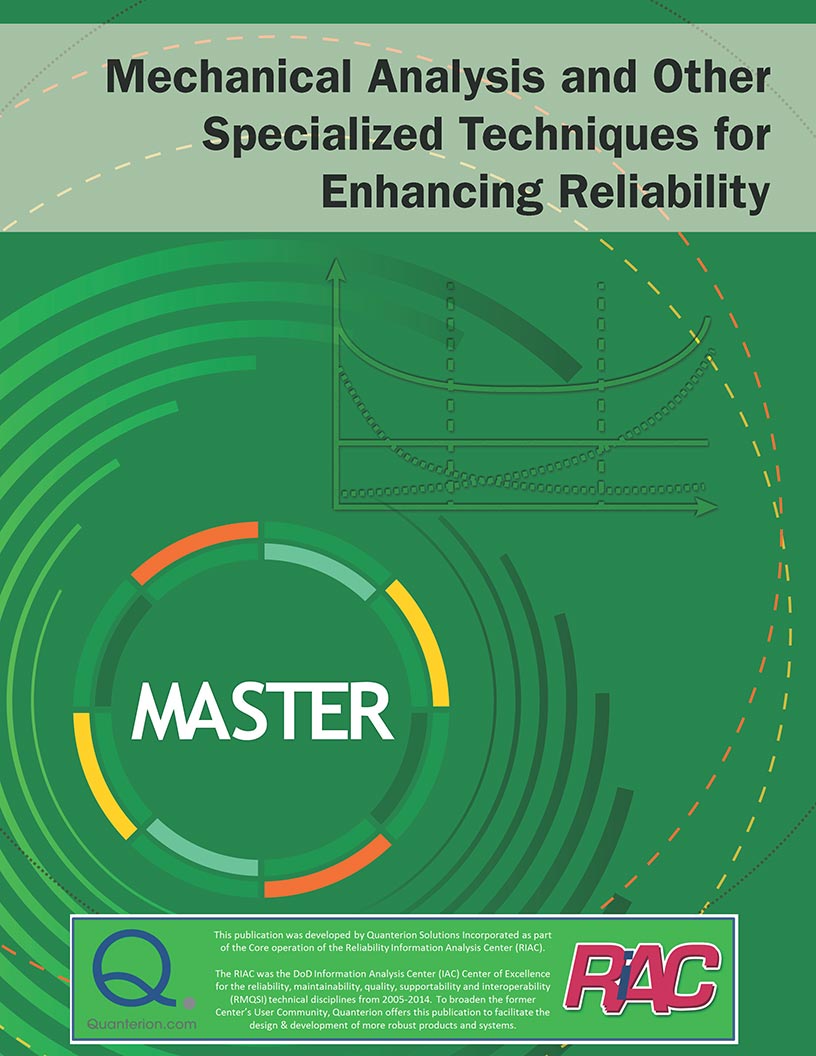
    • Mechanical Analysis and Specialized Techniques to Enhance Reliability (MASTER) Publication: In this project, Quanterion authored a mechanical reliability handbook stressing the proper application of materials by identifying critical failure mechanisms and analyzing their impact through a variety of empirical and physics of failure models.  The net effect is a handbook that functions as a roadmap to guide both new engineers and experienced reliability professionals through the entire spectrum of analytical methodologies and supporting testing programs so that highly durable and reliable products are delivered to customers.
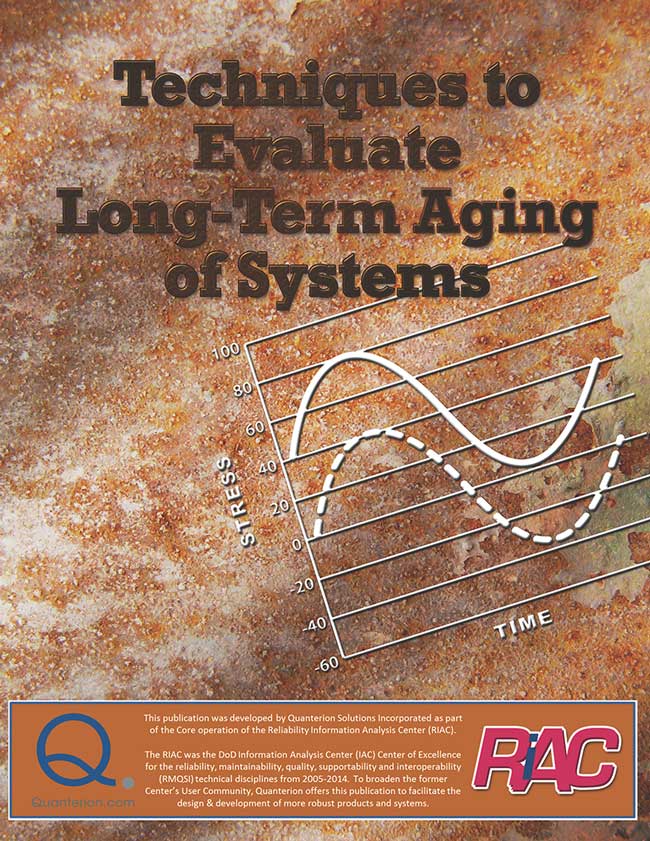
    • Long Term Aging Effects on Systems Techniques (LAST): Under this effort, a handbook was developed that focuses entirely on the effect that aging materials have upon the durability and reliability of structures and other mechanical components.  This effort specifically examined all major classes of materials and data was collected and synthesized that describe the impacts that time and environment has upon their performance.
    • Modeling and Simulation of Atmospheric Corrosion: Under this effort, Quanterion is developing an entirely new methodology to predict corrosion rates by considering the interaction of a metal surface with widely variable conditions including temperature, humidity, and pollutants including atmospheric chlorides, sulfides, and ozone.

Copyright © 2000-2013 Quanterion Solutions Incorporated
This site is best viewed in IE 8.0 or higher, Firefox 3.0 or higher, and Google Chrome.